



News
Explore what’s going on around the industry and get the latest from the world of heavy equipment and earth-moving.
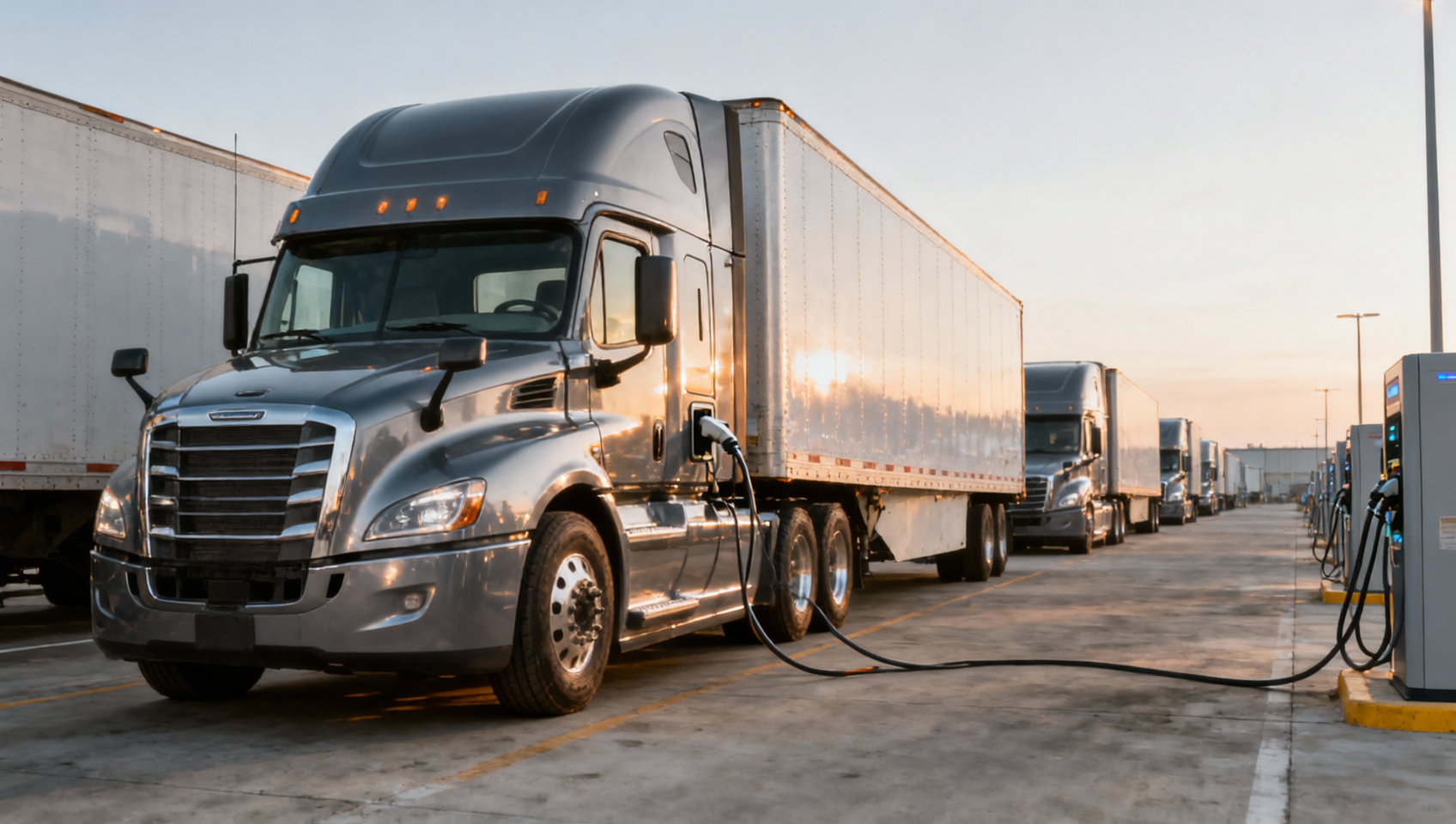
New-energy vehicles accounted for 50.28% of China’s heavy-truck retail sales in September 2026, according to compulsory motor insurance data, taking their monthly share above 50% for the first time. Supported by the peak sales season and equipment replacement subsidies, new-energy heavy trucks outsold diesel models during the month.
The milestone follows a sharp rise in electric heavy-truck adoption. The supplied historical figures put electric penetration at 5.2% in 2022 and approximately 28.9% in 2025. September’s figure measures the broader new-energy category, a distinction that matters when comparing the figures or assessing the share held specifically by electric models.

The immediate significance is the change in the monthly sales balance: new-energy heavy trucks have crossed from a minority to a majority of purchases. However, a result achieved during a strong selling season with subsidy support does not establish that this share will persist throughout the year. Subsequent monthly registrations will help show how durable the shift is as those purchasing conditions change.
Long-haul freight becomes a focus of competition
CATL’s introduction of an electric range-extension product and its battery-swapping ecosystem adds another dimension to the transition. These offerings target the largely untapped long-haul segment, bringing battery manufacturers and truck makers into closer competition over how heavy-truck electrification develops.
That could broaden competition beyond the vehicle purchase itself. For long-haul operators, the practical value of an electric truck offering may depend on how the vehicle, battery arrangement and energy replenishment services work together. If battery suppliers expand their role in that combination, truck makers could face greater pressure to demonstrate the value of their own integrated offerings.
The two developments point to related but distinct questions. The sales milestone concerns the pace of adoption; the push into long-haul freight concerns where further adoption might come from and which companies will shape it. The next useful signals will be whether new-energy trucks sustain their monthly majority and whether the new products and swapping services translate into long-haul purchases and operating use.
NAVIGATION
Send Us A Message